Here is the complete chain of calculations: Step 1: Calculate concentration Concentration = Peptide amount (mg) / Water added (mL) Step 2: Convert your desired dose to mg (if given in mcg) Dose in mg = Dose in mcg / 1000 Step 3: Calculate the volume needed Volume (mL) = Dose (mg) / Concentration (mg/mL) Step 4: Convert volume to syringe units Units = Volume (mL) x 100 (for a 100-unit/1 mL insulin syringe) Worked example: BPC-157 Say you have a 5 mg vial of BPC-157
All documented observations are limited to investigational and laboratory-based examination and do not extend beyond structured research settings
It plays an important role in several body processes, including: It occurs naturally in several types of food, including eggs, dairy, and most meat
Jan 6, 2026 Proper refrigeration extends peptide shelf life dramatically, transforming compounds that would degrade within hours at room temperature into stable research materials lasting weeks or months
Bacteriostatic Water and GHK-Cu While a quality supply of GHK-Cu is essential, researchers cant neglect the importance of ancillary supplies for safe and effective peptide handling
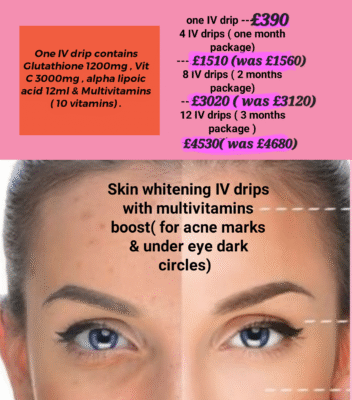
Known for its potential in high-efficiency detox support, glutathione IV therapy may offer quick results, especially for those looking to enhance liver function and overall health through targeted, high-dose antioxidant support