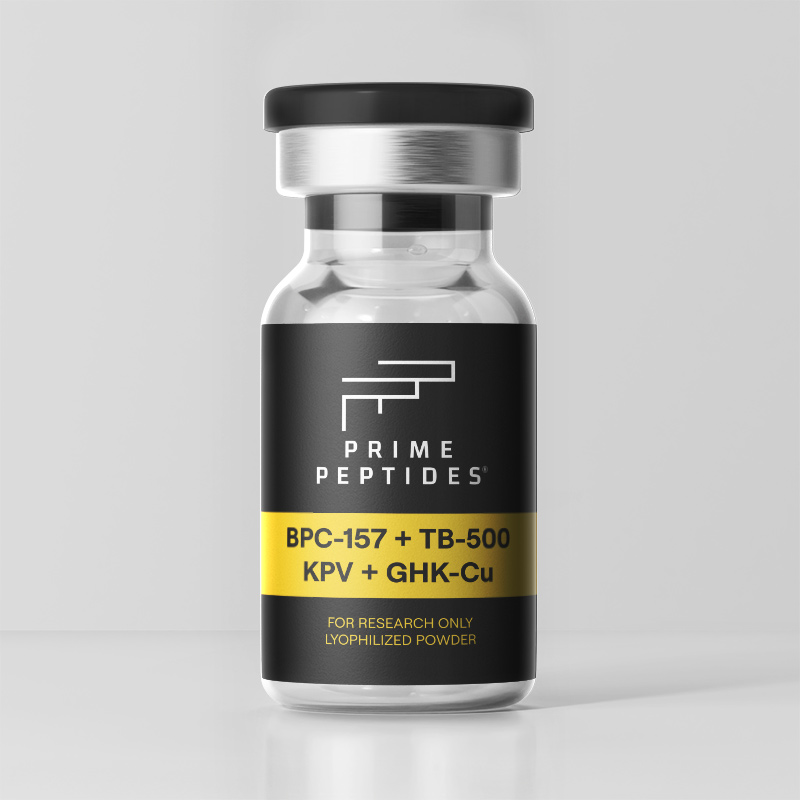
BPC-157 Supports Vascular and Neurological Repair One underappreciated hallmark of long COVID is endothelial dysfunction damage to the lining of blood vessels that impairs circulation, oxygenation, and tissue delivery.7 BPC-157 has demonstrated angiogenic (new blood vessel formation) effects in research models, upregulating VEGFR2 and promoting collateral circulation in ischemic tissue.8 This matters for two reasons: Cardiovascular symptoms (breathlessness, reduced exercise tolerance, tachycardia) may partly reflect impaired tissue oxygenation from vascular damage Neurological symptoms (brain fog, cognitive impairment) may similarly reflect reduced cerebral blood flow BPC-157's neuroprotective effects shown across models of traumatic brain injury, dopamine dysregulation, and serotonin syndrome also suggest value in supporting the neurotransmitter disruption many long COVID patients experience.9 BPC-157 Modulates Inflammation Without Immune Suppression This is critical

Intrauterine growth restriction is associated with autism, in both term and preterm infants
What glutathione does
While prior reviews have broadly addressed heat stroke pathophysiology, this article uniquely synthesizes cell death mechanisms (apoptosis, pyroptosis, ferroptosis) as central drivers of heat stress-induced liver injury and critically evaluates their implications for targeted therapeutic development
However, taking too much vitamin A can be harmful, so its best to talk with a healthcare professional and use vitamin A supplements only as directed
Opioid peptides in autism spectrum disorder and gluten-free casein-free diet as a therapeutic approach