However, said wood is the kind you would expect to find in the bathroom of an old mansion
Oiled LeatherUpper
Alcohol and smoking are both class 1 carcinogens and independent risk factors for oral and laryngeal cancer.2 The interaction may occur in oral and laryngeal cancer as follows: alcohol is believed to increase the solubility of tobacco carcinogens and, in turn, promote their penetration into the oral mucosa, potentially exacerbating the impact of smoking.53 In vitro experiments have demonstrated that ethanol can boost the penetration of nitrosonornicotine, a carcinogen associated with tobacco, through porcine oral mucosa.54 Regarding the guidance on alcohol use, the Australian Cancer Society Alcohol Working Group reported that alcohol consumption and smoking had a synergistic effect on some cancer risks, considering scientific evidence.55 Since then, guidelines for cancer prevention have been introduced in Europe and the United States, considering the risk of concurrent alcohol consumption and smoking.56, 57 Our findings support these guidelines

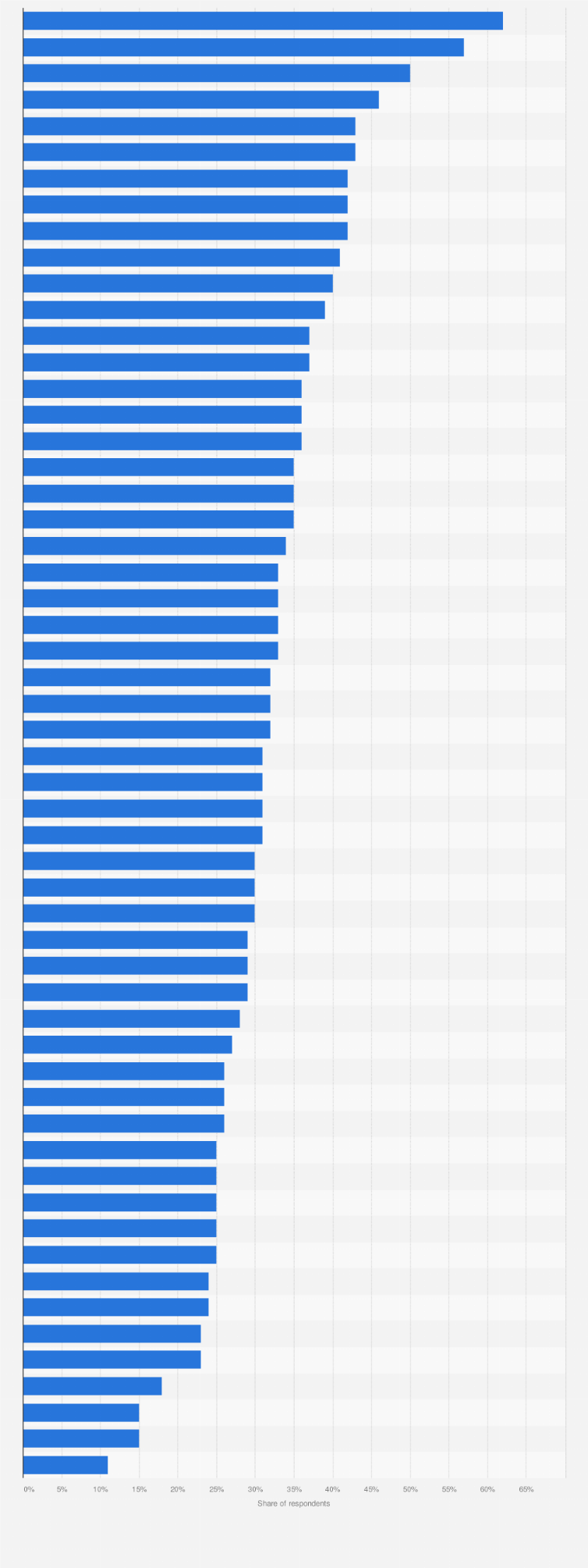
Just 11% accurately recognized that nicotine itself is not the primary source of smoking-related disease
Risk factors include: Being overweight or obese, particularly with central adiposity Insulin resistance or type 2 diabetes High triglycerides or low HDL cholesterol Metabolic syndrome Age over 50 years According to NICE guidance (NG49), diagnosis typically involves blood tests (liver function tests, lipid profile, glucose), ultrasound imaging to detect steatosis, and assessment for other causes of liver disease including alcohol intake (using tools such as AUDIT-C), viral hepatitis (hepatitis B and C serology), autoimmune liver disease, and medication review
There's been several series looking at associations between cannabis smoking and lung cancer