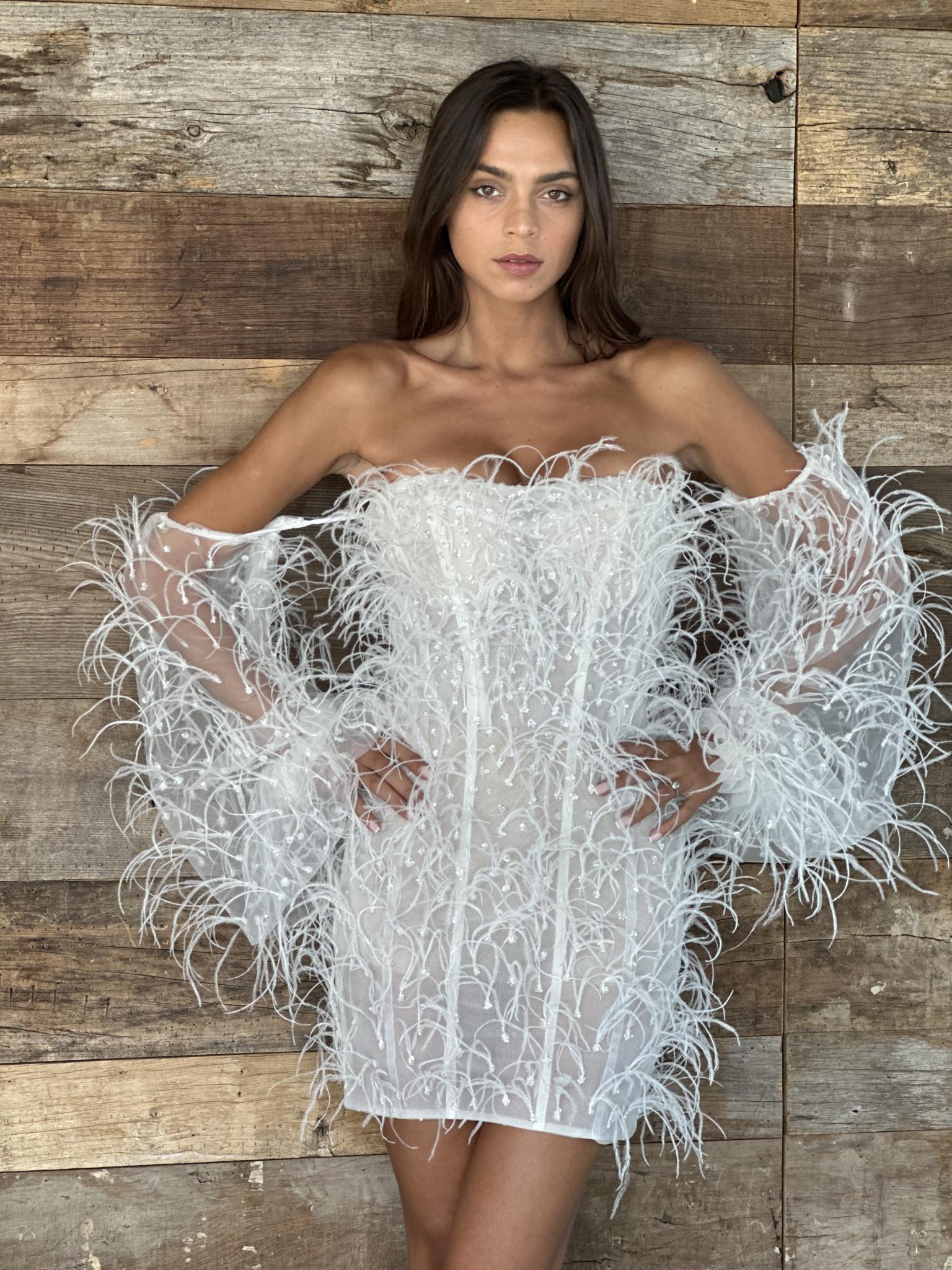
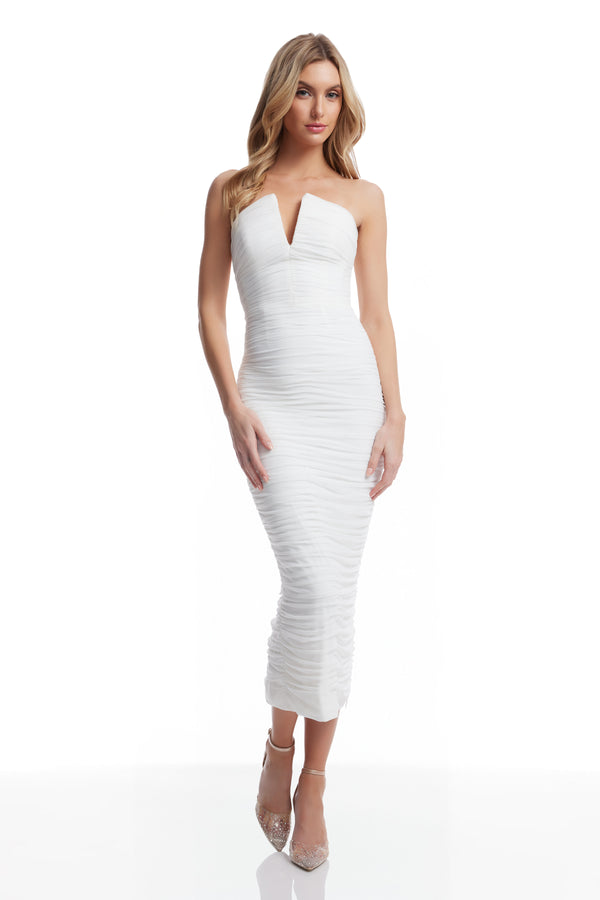
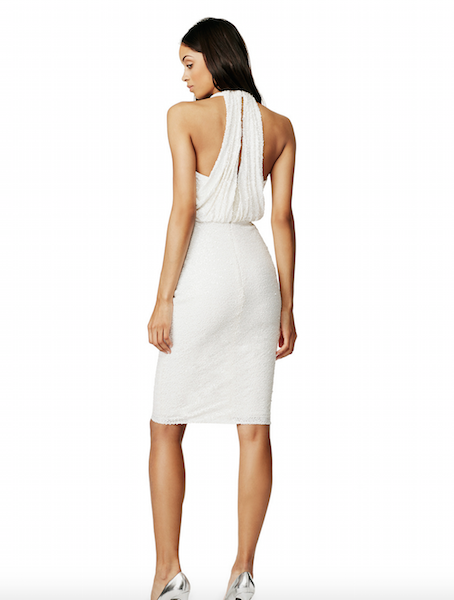
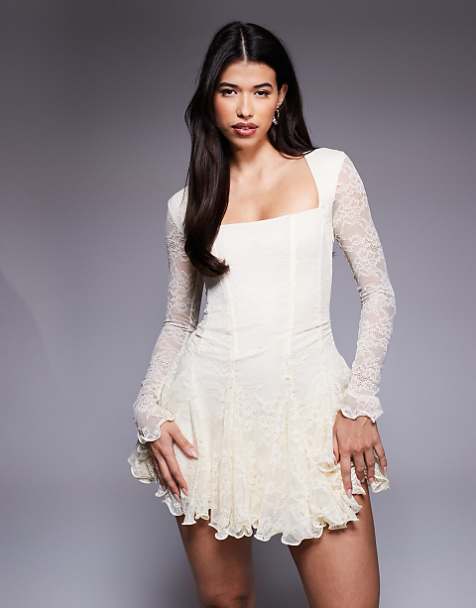
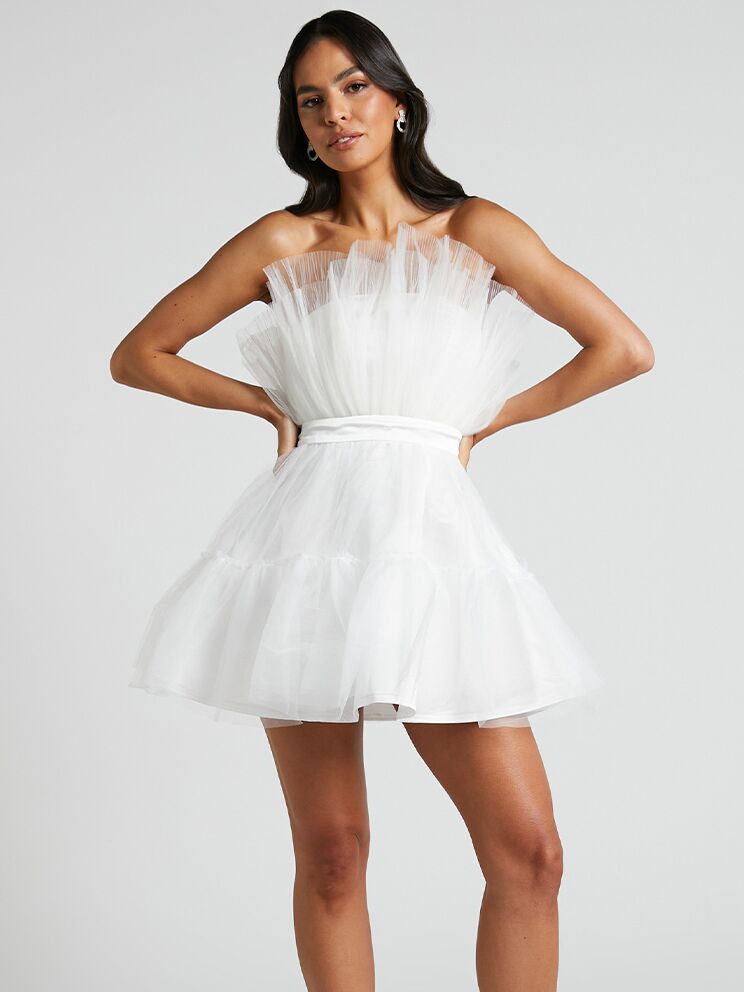
This dress is sheer perfection
The denim QC points I write into tech packs Shade band and lot approval process Shrinkage target and tolerance Colorfastness and crocking requirements Topstitch thread spec and needle spec Seam allowance and stitch type at stress seams Production risks I flag early Wash yield changes that shift measurements Seam torque after wash due to skew Pocket placement drift in bulk cutting Wavy placket from poor fusing or tension Hardware scratches during wash A practical QC table for buyers Lace A-Line Dress Many buyers add lace because it looks premium, but then the dress fits badly or feels itchy
The beauty of a black dress lies in its neutrality
Strap engineering specs I use most Finished strap width : 58 mm (stable default) Strap layers : self-fabric folded + topstitch, or self + lining Adjuster : ring + slider (prevents fit complaints) Anchor reinforcement : inside: patch + bar tack outside: clean topstitch alignment Strap placement rules that protect fit Front strap point should align near bust apex line, not too wide Back strap should avoid shoulder edge drop line Strap angle must match neckline shape to prevent twist Neckline stabilization options Stitch and seam specs I lock SPI: 1012 for main seams (buyer standard can vary) Overlock: 4-thread for inside edges Hem: baby hem for chiffon/satin, clean turned hem for poplin Bar tack: strap anchors, pocket corners (if any) What lining, interlining, and support options should I specify for B2B
Sleek, minimalist dresses were a mainstay on the likes of Chanel and Connor Ives's spring-summer runways, looks not dissimilar to the pared-back dress silhouettes championed by poster girls for cool 90s minimalism back in the day (we are of course talking about the likes of Winona Ryder, Gwenyth Paltrow and Jennifer Anniston)
The Lucy Diamante Dress from the fabulous Lemonlunar ticks all the boxes