Lifespan extension in animal studies Rodent studies (most extensive data): Mice lifespan increased 20-42% with Epithalon Rats showed 12-25% lifespan extension Both maximum lifespan and median lifespan increased Healthspan (healthy years) improved even more Similar to effects seen with caloric restriction but without dietary limitation Study examples: Mechanisms of lifespan extension: Telomere preservation preventing cellular senescence Reduced oxidative damage to tissues Improved immune function preventing infections Better hormone regulation (pineal, reproductive) Reduced age-related diseases (cancer, cardiovascular) Human lifespan effects (theoretical): No completed human lifespan studies (require decades) If similar extension: 20% of 80-year lifespan = 16 additional years More realistically: Healthspan improvement more achievable than lifespan Quality of life in later years potentially enhanced Similar goals as other longevity interventions Limitations of animal data: Rodents humans (metabolism, telomere biology differ) Controlled lab conditions vs real-world human life Optimal dosing in humans unknown Long-term safety in humans not established Need rigorous human trials for validation Compare to other longevity approaches like growth hormone peptides at SeekPeptides

Human breast milk exosomes: affecting factors, their possible health outcomes, and future directions in dietetics
It just means someone gets to pocket the profits
cAMP measurement Since the GLP-1R KO mice showed reduced functional connectivity when measured across the whole brain, we further explored the impact of GLP-1 receptor knockout on downstream signaling pathways
Inadequate vitamin B12 can lead to fatigue and tiredness, even after sufficient sleep, as the body fails to generate sufficient energy
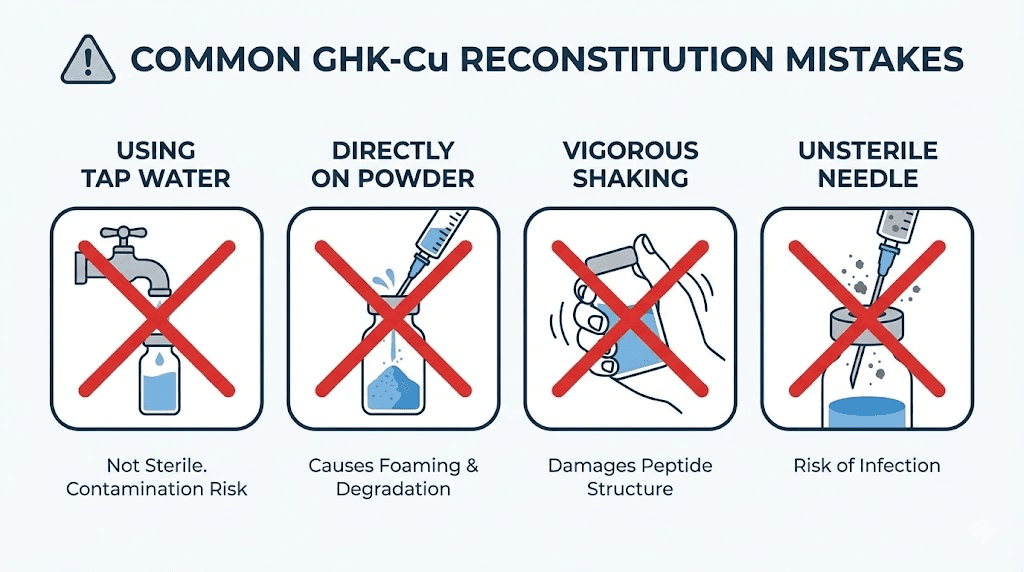
Reconstitution: 3.0 mL bacteriostatic water per 600 mg vial gives 200 mg/mL (1 unit = 2 mg)